
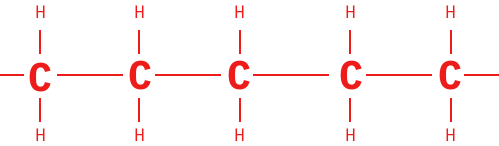
PE-based compound
A PE-based formulation is currently being used to evaluate material behaviour and guide further development.
 Lower shrinkage
 Reduced warping
 Higher impact resistance
 Stable printability
 Cost potential
VORX develops PE- and PP-based polymer compounds around specific LFAM material challenges.
Our partners


Shrinkage, warping, inconsistent material flow and material cost can all affect what is possible with large-format additive manufacturing.
In LFAM, material behaviour affects the accuracy of the printed part, printing stability, mechanical performance and ultimately the economics of production.

We develop custom PE & PP-based compounds, tailored around your specific manufacturing challenges
Our labs constantly tackle the common challenges that limit your possibilities, all from a team with 25+ years of experience in polymer formulation
VORX is currently concentrating development on five areas:
Keep the printed part closer to its intended dimensions as the material cools.
The current development target is approximately 0.3–0.4% shrinkage in the final part.
Improve dimensional stability and reduce unwanted deformation during and after printing.
Develop material properties suitable for applications where the finished part needs to withstand mechanical impact.
Achieve more consistent material flow and more predictable behaviour as the material leaves the printing nozzle and is deposited.
PE and PP offer a more accessible polymer base than materials such as PA and ABS.
Development focuses on improving the properties that matter during LFAM printing and in the finished part.
Material cost and availability matter when printing at large scale. PE and PP provide an attractive starting point from both perspectives. Our compound development focuses on the technical properties required for LFAM.
Our goal is clear: retain the advantages of the polymer base while improving the properties that matter during printing and in the finished part.
A PE-based formulation is currently being used to evaluate material behaviour and guide further development.
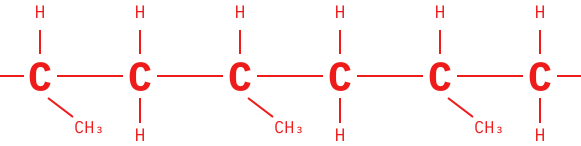
A PP-based formulation is currently undergoing LFAM testing. The results will be used to determine the next stage of development.
Material performance is best evaluated in the application and printing process where it will actually be used.
Depending on what you want to evaluate, VORX can provide material for two types of testing.
Testing provides the technical and practical feedback needed to evaluate the formulation and decide what should happen next.
Based on the test results, material requirements can then be discussed according to the scale and production needs of the project.
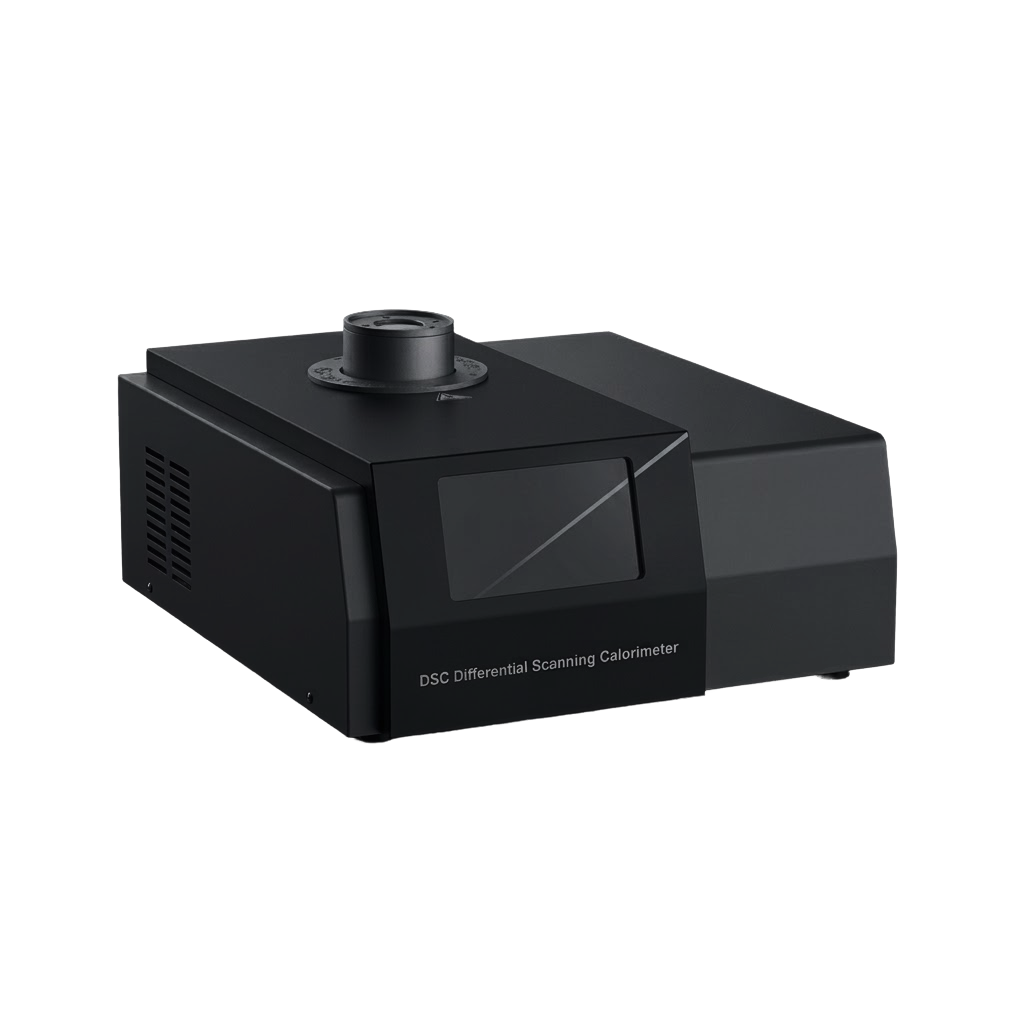
Approximately 1–2 kg of material can be supplied for laboratory testing.
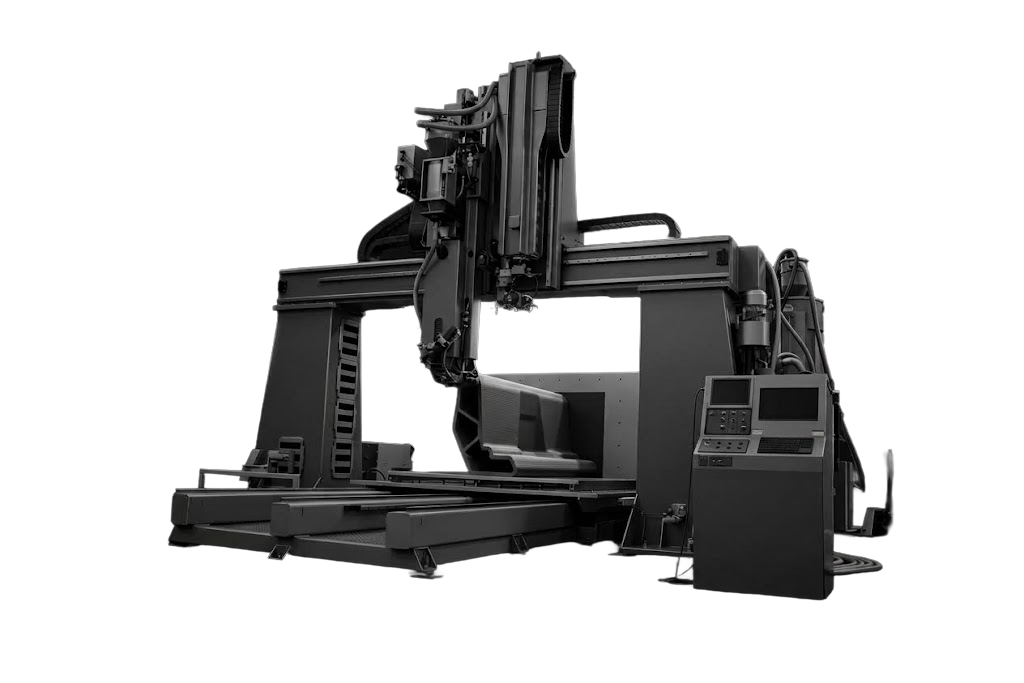
A practical LFAM printing test typically requires approximately 20–30 kg of material.
Material properties are interconnected. A change in the formulation can influence several aspects of how the material behaves. AI tools are used to assess how different materials may interact and whether one material could replace another when developing a formulation. VORX develops each compound as a complete system, starting with the requirements of the intended application.
The process starts with the material behaviour required for the intended application.
Technical research, practical compounding experience and specialist input are used to assess how material components may interact.
AI tools support the evaluation of material interactions and possible substitutions.
The findings are used to create a compound formulation for testing.
Prototypes are produced, tested, and compared with relevant alternatives.
What is learned from each test is used to develop the next formulation.
Laboratory testing of the current LFAM compounds is planned for November and December 2026.
Custom scientific process from experts with 25+ years experience in polymer applications, including:
VORX brings together experience in polymer formulation, production technology and product development.

Materials and production technology
Rihards leads material and formulation development.
With more than 25 years of experience in polymer formulation and production technology, his work has included:
Product development and coordination
Janis leads product development and coordinates work with raw material suppliers, potential partners and customers.
Experience from previous polymer projects helps him identify unresolved material needs, understand how they could be addressed technically, and shape the product direction around them.
If shrinkage, warping, printability, impact performance or material cost is limiting what you can achieve with LFAM, the next step is to look at the application and test the most relevant material.
Tell us what you are trying to print and what the material needs to do.
What are you producing, how are you printing it, and which material properties matter most?
Based on the application, we determine which current VORX formulation is the most relevant for testing.
Relevant material information and documentation are shared before the test.
Material can be supplied for laboratory evaluation or practical LFAM printing.
Test results and practical observations are evaluated and compared with relevant alternatives.
Based on the test results, the project scope and expected production volume can be used to determine the material requirements for the next stage.
VORX develops PE-based and PP-based compounds for large-format additive manufacturing.
The material direction is selected based on the application, printing process, and production environment.

Materials for marine applications are developed with higher UV resistance, increased carbon black content, and greater impact resistance.
Repairability is another important material parameter, allowing products to be repaired during their service life.

For industrial applications, dimensional stability is especially important. Polymer components often interface with other materials, such as metals, where deformation during use may not be acceptable.
Industrial applications also often have specific requirements related to resistance to ignition.
Across both application areas, part size, mechanical performance, dimensional stability, printing behaviour, material cost and material availability are considered together when selecting the material direction.
Material can be prepared for laboratory evaluation and LFAM printing trials.
Testing shows how the material behaves in the intended application and provides a clear basis for further refinement.
Tell us briefly about your application, material requirements, and what you are trying to improve.
We will use this information to understand the context before the first conversation.
Prefer email?
hello@vorxprint.comWe’ll get back to you soon.